- Home
- Blog
- Cinema mobile apps
- Accessible Cinema Apps for Disabled Moviegoers
Accessible Cinema Apps for Disabled Moviegoers
Explore cinema apps designed to enhance accessibility for disabled moviegoers, highlighting strengths and weaknesses in their features.
Going to the movies can be frustrating for disabled individuals due to challenges like booking tickets, finding accessible seating, or using audio descriptions. Some cinema apps aim to address these issues, but not all provide the same level of accessibility. Here's what you need to know:
- Filmgrail: Offers customizable apps for cinemas with features like video stories and push notifications. Accessibility improvements are expected, but details on current tools are limited.
- Fandango (App A): Works with screen readers like VoiceOver and TalkBack, highlights accessible seating, and includes options for closed captioning and audio descriptions.
- App B: Lacks clear information about accessibility features, raising concerns about its usability for disabled users.
Quick Comparison
| App | Strengths | Weaknesses |
|---|---|---|
| Filmgrail | Customizable features for theaters | Limited current accessibility details |
| Fandango | Screen reader compatibility, clear seating options | Limited public documentation on accessibility |
| App B | Functional service | Lacks accessibility details |
Apps that focus on user feedback, clear accessibility features, and compliance with standards can make moviegoing easier for disabled audiences. Developers and cinemas must prioritize these needs to create better experiences for everyone.
Revathy & Senthil Kumar on Accessible Cinema | AbilityFEST 2025 Conversation
1. Filmgrail
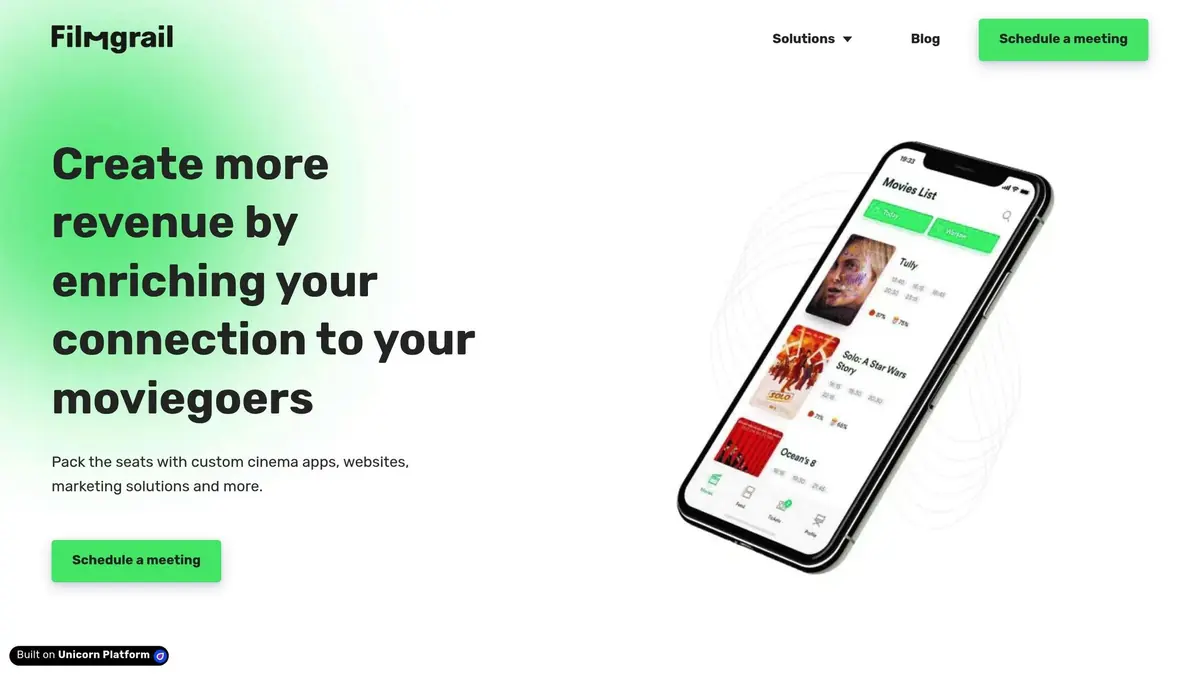
Filmgrail creates tailor-made cinema apps, websites, content management systems (CMS), and marketing tools designed to engage audiences and meet the varied preferences of moviegoers. Their platform includes features like auto-playing trailers, engaging video stories, and push notifications, all aimed at helping cinemas strengthen their connection with audiences and boost ticket sales.
While specific details about dedicated accessibility tools are currently limited, Filmgrail’s emphasis on delivering a top-notch movie experience suggests that accessibility improvements are part of their ongoing development. Future updates may likely bring enhancements to better accommodate users with disabilities.
This focus on improving accessibility provides a foundation for comparing Filmgrail to other cinema apps in the next sections.
2. App A
Fandango is a well-known U.S. movie ticketing app that prioritizes making its platform accessible to all users.
Accessibility Features
Fandango integrates with popular screen readers like VoiceOver for iOS and TalkBack for Android, ensuring visually impaired users can easily navigate movie listings and theater details. The app’s interface is thoughtfully designed with structured navigation and alternative text for images, creating a smoother experience for those relying on assistive technologies. These features make it easier for disabled users to explore and book tickets.
The app also includes accessibility details directly within movie listings. For instance, it clearly indicates if closed captioning or audio description options are available for a film. Additionally, it highlights accessible seating options, helping users quickly identify accommodations provided by theaters.
User Experience for Disabled Moviegoers
Fandango’s accessibility tools significantly improve the ticket-buying process for disabled users. During seat selection, the app provides clear visual markers for wheelchair-accessible seating, ensuring an inclusive experience. Notifications and other features are designed to work seamlessly with device accessibility settings, enhancing usability throughout.
Commitment to Accessibility Standards
Fandango adheres to WCAG 2.1 guidelines and continually refines its app based on user feedback. While some users have reported occasional navigation difficulties, the company is actively addressing these concerns to improve the overall experience for disabled moviegoers.
3. App B
Currently, there are no confirmed sources detailing App B's accessibility features or how it serves disabled moviegoers. This lack of information brings its dedication to accessibility into question - a topic that warrants closer examination.
Strengths and Weaknesses
This section highlights the key strengths and areas for improvement in accessibility among the reviewed cinema apps.
When assessing cinema apps from an accessibility standpoint, clear differences emerge between platforms that prioritize inclusive design and those that fall short in addressing accessibility needs.
Filmgrail stands out with its customizable cinema apps and integrated CMS, allowing theaters to adapt digital experiences to meet diverse user requirements. Its community engagement features further enhance its appeal. However, certain features, like auto-playing trailers, may need additional controls or warnings to accommodate users with sensitivities, such as those with epilepsy or attention-related challenges. While Filmgrail's flexibility in custom development offers significant potential for accessibility, the actual implementation can vary depending on individual theater setups. Let’s see how this compares to other cinema apps.
App A adheres to standard accessibility guidelines but lacks clear public documentation to confirm how well it serves disabled users.
App B provides a functional digital service but offers limited accessibility information, making it difficult to verify compliance with ADA standards.
Here’s a quick comparison of each platform's strengths and weaknesses in terms of accessibility:
| Platform | Key Strengths | Notable Weaknesses | Accessibility Focus |
|---|---|---|---|
| Filmgrail | Highly customizable with strong community engagement | Auto-playing trailers may need additional controls | High customization potential |
| App A | Meets standard accessibility compliance | Limited public documentation; further assessment required | Standard compliance |
| App B | Functional digital service | Lack of sufficient accessibility details for ADA verification | Minimal information provided |
These insights build on our earlier analysis of each app's features, showing how customization and clear communication about accessibility can significantly enhance the user experience. For disabled moviegoers, consistent accessibility across all functions - from browsing showtimes to completing transactions - is essential. Additionally, incorporating feedback from local users through reviews can provide valuable perspectives on a theater's usability, helping audiences make better-informed choices.
Conclusion
The evolution of cinema apps highlights a growing emphasis on personalization and inclusive design. Filmgrail's customizable CMS and mobile app solutions empower theaters to create digital experiences that cater to a wide range of audience needs. By prioritizing community engagement, such as incorporating local reviews, Filmgrail also helps drive ongoing improvements in accessibility.
Looking ahead, future advancements must address current shortcomings. Thoughtful design will play a key role. Developers should actively involve individuals with disabilities in user testing and ensure their apps include clear, accessible documentation about features. Core functionalities like adjustable text, screen reader compatibility, and sensory-friendly settings shouldn’t be afterthoughts - they need to be built into the foundation of every app.
The ultimate cinema app combines strong accessibility, open communication, and constant community feedback to meet the needs of a diverse audience. Collaboration between cinemas, app developers, and the disability community will be crucial to transforming these platforms into truly inclusive and engaging tools.

Cinema technology since 2011: built his first cinema aggregator that year, pivoted to building cinema software in 2016, and pioneered native cinema apps that reached ~4× the market benchmark for weekly use. Now applying AI to cinema operations. More about John.